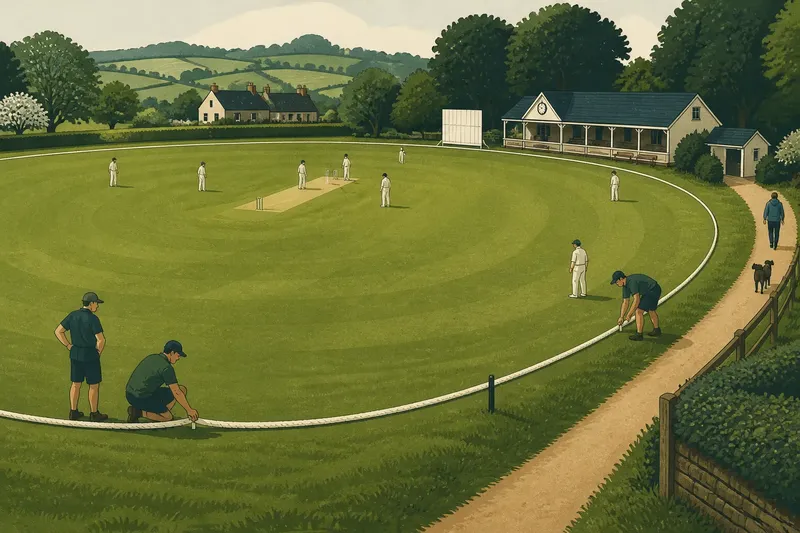
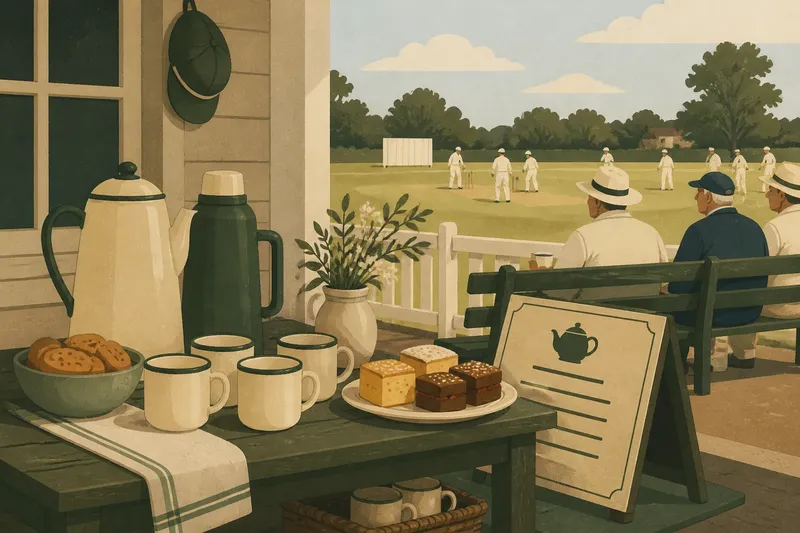
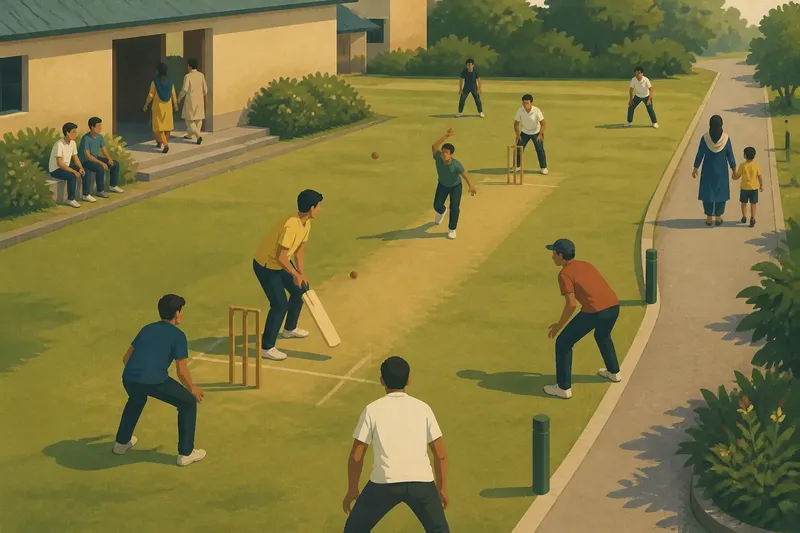
Morning Start or Late Finish? Two Rhythms for a Cricket Day
Plan a cricket day around an early start or a late finish, with a flexible routine for following play, taking breaks, and staying present.
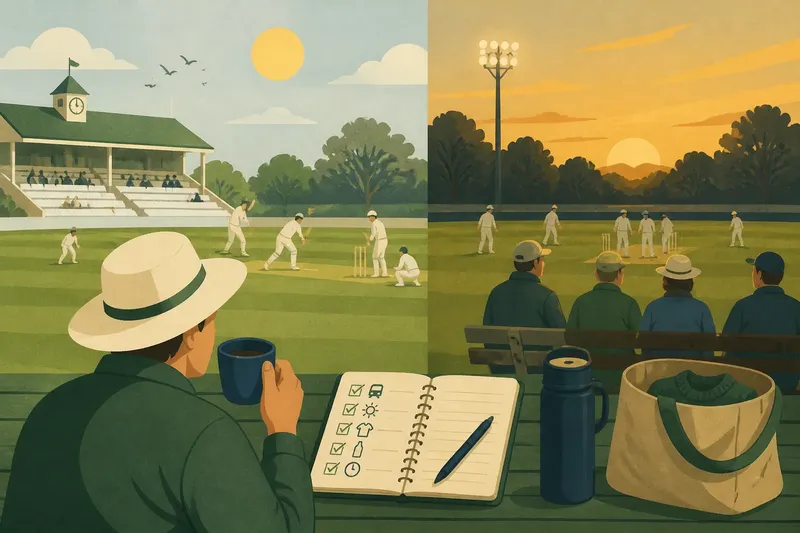
The common mistake in planning a cricket day is treating every session as something you must watch without interruption. That can turn an enjoyable fixture into a tiring obligation, especially when the start is early or play carries into the evening. A better cricket day plan gives the match your attention in deliberate stretches and leaves room for meals, travel, and the changing light.
Choose Your Cricket Day Rhythm
An early start and a late finish ask for different kinds of attention. A morning fixture may reward a calm beginning: check the start time, settle in before play, then decide which part of the day you most want to follow closely. A later finish calls for the reverse. Keep energy in reserve, take an earlier break, and make a simple plan for getting home after play ends.
Neither schedule is the proper way to watch. Your choice depends on the fixture, your journey, the weather, and whether you prefer the quieter opening or the last stretch of the day. If you are following a match from home, the same distinction applies: set a few intentional check-in times instead of leaving a stream or scorecard running by default.
Pick the rhythm that fits the day you actually have, not the one you imagine you ought to manage.
Build A Flexible Week
Use the week before a fixture to decide how much of the day you can give it. This is not a demand to plan every over. It is a way to avoid discovering at the ground that your return trip, lunch, or other commitments conflict with the part of play you care about most.
- Several days before: Check the scheduled start and likely finish, the ground’s entry information, and your transport options. Mark any fixed commitments that would make a full day difficult.
- The day before: Look at the forecast and pack for the conditions, with a light layer, sun protection, water, and anything the venue permits you to bring. Keep the kit simple enough to carry comfortably.
- On the morning: Confirm travel and entry arrangements. For an early start, set out what you need beforehand; for a late finish, make a return plan while you still have time to consider alternatives.
- During play: Choose a stretch to watch closely and a natural point to step away. A change of innings, a meal, or a pause in play can make a sensible break without requiring constant clock-watching.
- Afterward: Allow a little time to leave the ground and reach your next destination. If the match runs on, use the plan you made rather than deciding every detail while tired.
Say you have a Saturday fixture with a long bus journey and a family commitment in the evening. You decide beforehand to arrive for the opening, take a proper lunch break, and leave at a set transport connection if play continues. The expected result is a day with focused cricket time and a manageable journey, rather than a rushed departure chosen in the final minutes.
Make An Early Start Work
For an early-start day, protect the opening from avoidable friction. Check the route the night before, put tickets or membership details where you can find them, and choose clothes that suit both the forecast and a long spell outdoors. A thermos or packed snack can help if nearby food options are limited, but check venue rules before bringing anything in.
Once play begins, avoid setting an unrealistic goal to follow every ball. Choose what matters to you: the opening passage, a particular player’s spell, or simply the feel of the ground waking up around the match. After that, take a walk, read the scorecard, or talk with the person beside you. You can return to close attention when the play shifts or a new phase begins.
If you are watching at home, a morning routine can be just as light-touch. Make breakfast before the scheduled start, keep the scorecard within reach, and decide when you will check back in. This leaves the match part of your morning instead of letting it crowd out the rest of it.
Save Energy For A Late Finish
A later finish makes the middle of the day useful. Take a proper meal before you settle in, carry a layer for the evening, and avoid spending all your attention on the first portion of play. If you are at the ground, choose a comfortable place to stand or sit and make room for a short break before you begin to feel worn down.
Keep an eye on the practical details as the light changes: where the exit is, how long the walk to transport takes, and whether your return route still fits the expected finish. You do not need to leave early simply because the day has stretched on. You do need a clear option if you decide that staying is no longer comfortable.
At home, a late finish may mean pausing for dinner rather than eating hurriedly beside the screen. Set a reminder for a likely point to return, then check the state of play before deciding whether to stay up. The match can remain enjoyable even if you miss its final moments.
Which Cricket Day Rhythm Fits?
What should I prioritize at an early start?
Choose the opening or another specific passage you want to see, then give yourself permission to take breaks later. Prepare travel and essentials the previous evening so the start does not become a scramble.
How can I enjoy a late finish without getting tired?
Eat and rest before the final stretch, bring a suitable extra layer, and take a break before fatigue sets in. Keep a realistic route home ready so you can make a calm decision if you leave before the end.
Do I need to watch every session?
No. Pick the portions that suit your interest and schedule, and use the scorecard or a later update to reconnect with what happened while you were away. Following selectively is still following the match.
What if the schedule changes?
Keep your plan loose enough to absorb a delayed start, an extended day, or a change in travel. Recheck the ground’s current information and adjust your break or departure point rather than trying to preserve a timetable that no longer fits.
Leave Room For The Day
Ground conditions, entry rules, and travel arrangements differ, so check the venue’s own information before setting out. That matters especially if you plan to bring food, carry particular equipment, or rely on a specific service after play.
A useful cricket day plan is a handful of decisions, not a strict timetable: when to arrive, which stretch to watch closely, when to take a break, and how to get home. For a cricket day plan that suits either rhythm, leave one decision open until you see how the day feels. That small flexibility lets an early opening stay fresh or a late finish remain your choice.